
Swelling or tenderness shortly after cryolipolysis can be temporary. If an area starts to bulge noticeably weeks or months later, or an existing firm area gets larger, arrange a medical examination. The shape, timing and symptoms can help a clinician assess what is happening. A photograph or what you feel at home cannot establish the diagnosis on its own.
What can happen shortly after treatment?
Cryolipolysis uses controlled cooling from outside the body to treat a localised area of fat. The US Food and Drug Administration, or FDA, lists redness, swelling, bruising and discomfort among possible early reactions. Mild symptoms may ease on their own. Numbness can last longer. There is no single day after which every lingering symptom points to the same cause.
The direction of change is useful. Is the area gradually feeling less tight? Is a raised area getting smaller? Or is it growing and becoming more noticeable when you stand? Mild swelling at the beginning cannot predict how the contour will change in the long run or rule out a later complication.
The FDA also distinguishes small lumps that can be felt from a visible bulge. If a lump persists, grows or causes symptoms, have it examined. Severe or worsening pain, blisters or marked skin changes need prompt medical assessment. A freeze burn is a different potential complication from a later increase in fatty tissue.
What does paradoxical adipose hyperplasia look like?
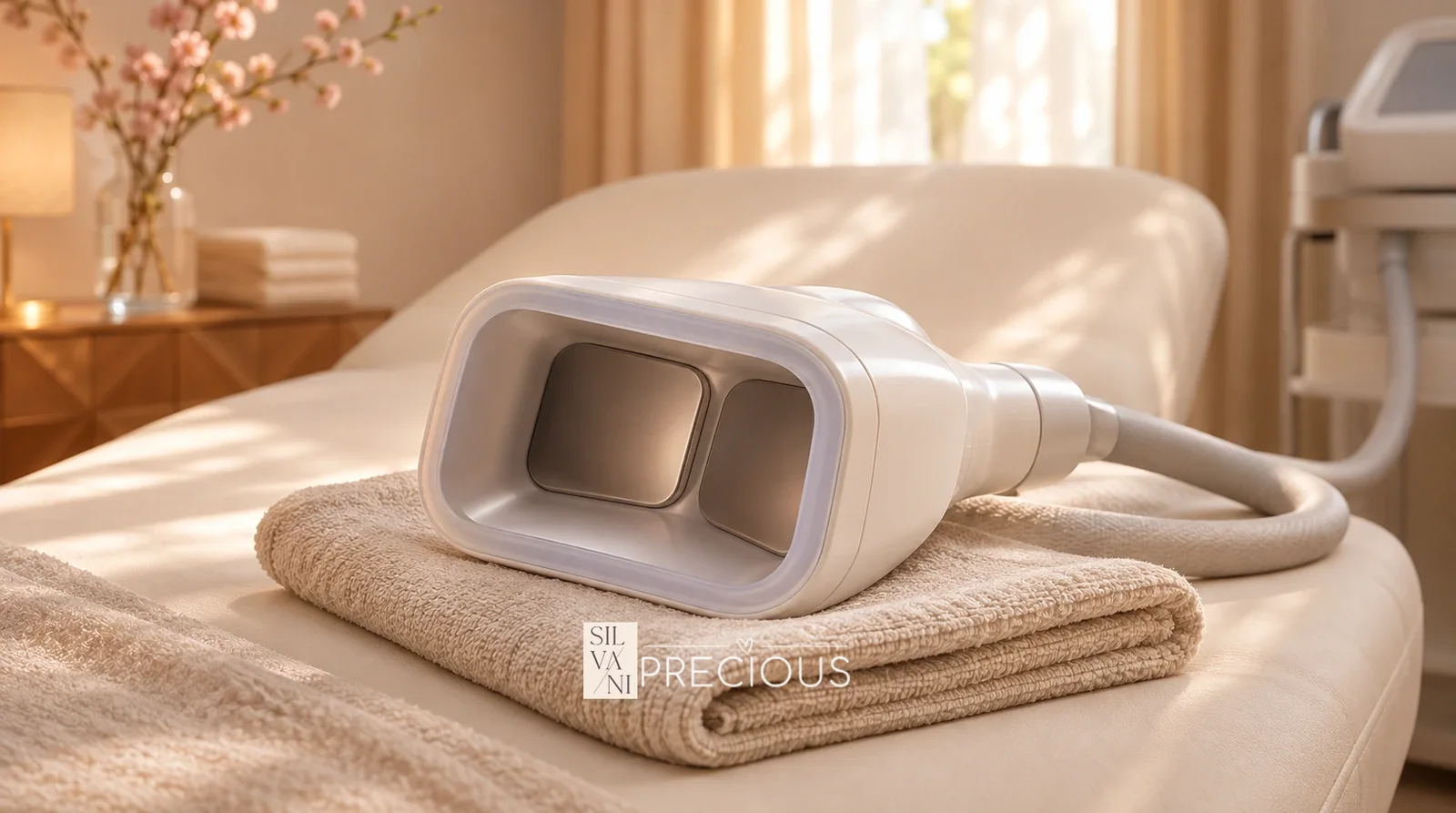
Paradoxical adipose hyperplasia, known as PAH, is a rare reported complication of cryolipolysis. Fatty tissue increases in the treated area. This can produce a well-defined, often firm bulge whose outline resembles the applicator used. The FDA describes reported cases that developed two to five months after treatment. This is an observed time range, not a waiting period before seeking examination.
Jalian and colleagues documented gradual enlargement around three months after an abdominal treatment. Imaging in this patient showed an accumulation of fatty tissue in the treated area. The case report described the overlying skin as unremarkable. Normal skin colour therefore cannot rule out a change beneath the skin. An observation from one case cannot serve as a diagnostic rule. PMID 24382640.
A bulge on the abdomen can have other causes, including an abdominal wall hernia. The treatment pattern is one clue among several. It helps if the clinician knows where the applicator was placed. Diagnosis depends on your history and physical examination. Whether imaging is useful depends on the findings and the alternative explanations under consideration.
What do studies tell us about frequency?
Nikolis and Enright reviewed treatment records from eight Canadian clinics. They identified nine people with PAH among 2,114 patients treated, or about 0.43 percent in that group. They also reported 13 affected areas and 8,658 treatment cycles. The rate per cycle answers a different question from the rate per person. One person could have several areas treated. PMID 33216910.
The findings relate to the devices studied and the cases recorded by the participating clinics. A person who notices a change later or goes to another clinic may be missed in this kind of review. The numbers describe the group studied. They do not provide a reliable percentage for another device, a particular clinic or your individual situation.
For your next step, the way the area changes matters more than the exact frequency in the statistics. A rare complication remains one possible explanation for a growing bulge in the treated area. At the same time, an unusual area on its own does not establish PAH. An examination can help distinguish between the possibilities.
What information helps at the appointment?
Bring the treatment date, device details and exact treatment location if you have them. Describe when you first noticed the change and whether it has grown, shrunk or stayed the same. Pain, numbness, skin changes and past procedures in that area also help the clinician assess it.
Existing photographs can supplement the history. An earlier and a current image taken from a similar angle may show differences that are hard to judge from memory. You do not need to wait for a series of photos or measure the area yourself before arranging an appointment. If it is clearly getting bigger, the examination takes priority.
Have the cause assessed before getting the area treated with cooling again. For confirmed PAH, the FDA states that it does not resolve on its own and that corrective surgery may be necessary. The next step depends on the diagnosis, the location and the extent of the change. If PAH is confirmed, ask what kind of specialist assessment would be appropriate for you.
What should you discuss before another session?
At the follow-up, also bring any record of what you agreed to aim for before the first treatment. An area that has barely changed is different from one that has grown beyond its original contour. Ask what course the treating clinician had expected and which change now calls for examination.
If the cause remains unclear, ask who will assess the finding further and when you should get back in touch. Write down what you agree. This gives you a plan if the bulge stays the same before the appointment or if new symptoms develop. Questions about correction are easier to address once the cause has been assessed.
Sources
Jalian et al., JAMA Dermatology. Case report documenting timing, examination and imaging. PMID 24382640.
Nikolis and Enright, Aesthetic Surgery Journal. Retrospective review of several clinics with separate denominators for patients and cycles. PMID 33216910.
US Food and Drug Administration. Non-Invasive Body Contouring Technologies, section on cryolipolysis and its possible complications.
This article was prepared with AI assistance. A medical review has not yet been documented for this version.